
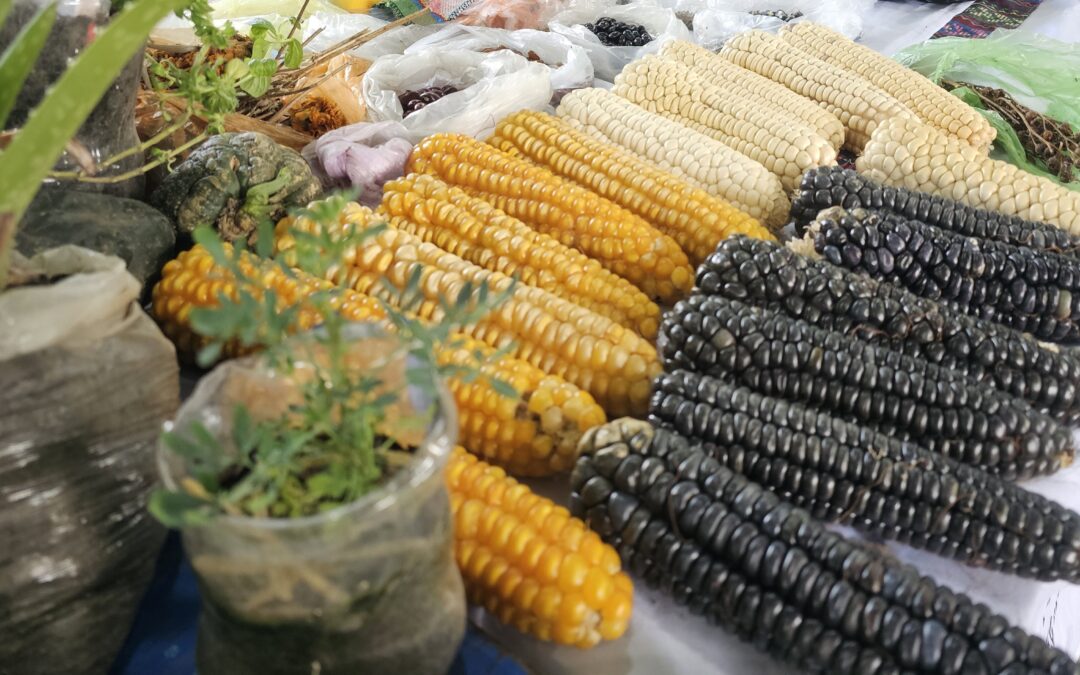
With the aim of protecting local biodiversity and strengthening food sovereignty, approximately 50 producers from Momostenango, Santa María Chiquimula, Cantel, and San Juan Ostuncalco in Guatemala gathered in the village of Rachoquel to celebrate the fair.
ASERJUS, an organization that is part of the Red Comparte network, supported these producers in organizing this gathering, which went beyond the exchange of native maize seeds, beans, and medicinal plants, becoming a space for cultural reaffirmation. In the face of the spread of hybrid and genetically modified seeds promoted by global markets, rural communities are committed to preserving native and creole varieties as a tool of political resistance and a defense of their identity.
The leading role of women
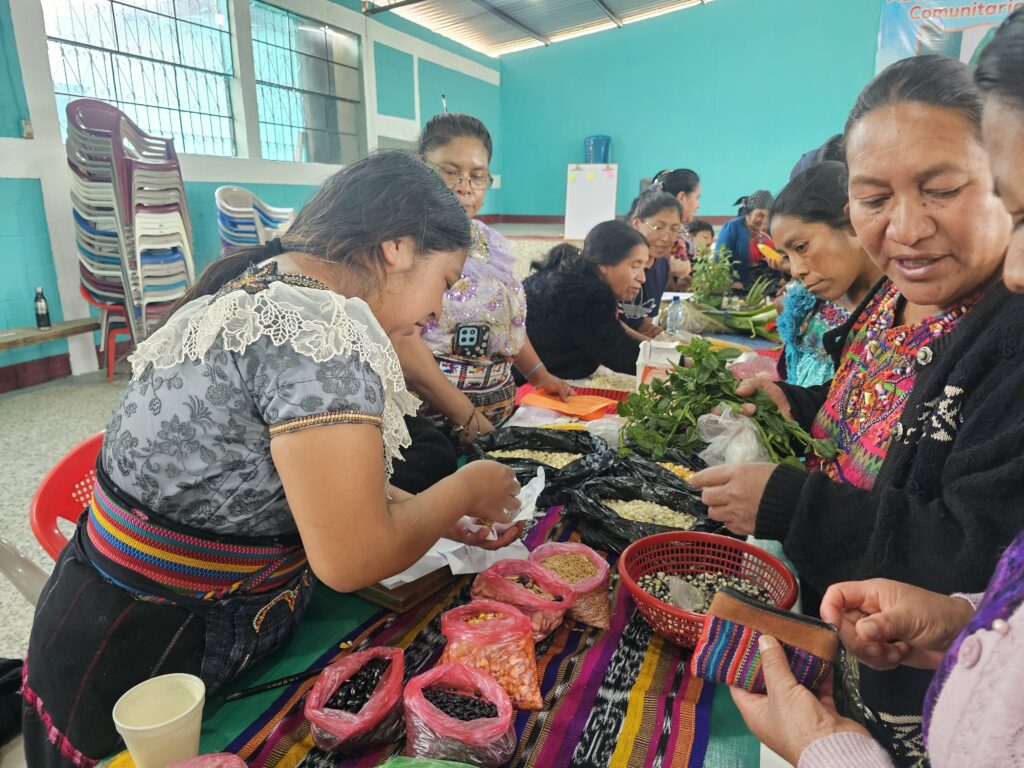
A notable aspect of the event was the majority participation of women, who play a fundamental role in safeguarding biodiversity and transmitting ancestral knowledge. According to the organizers, this exchange not only energizes the solidarity economy but also challenges the technological and commercial dependence that affects peasant communities.
Towards a community protection system
Participants emphasized the need to advance in consolidating networks for safeguarding and multiplying seeds. They also called for the implementation of participatory registration methodologies to ensure the legal protection of these varieties against possible attempts at privatization.
The fair concluded with the proposal to coordinate regional efforts to build an alternative production system based on reciprocity, gender equity, and sustainability, positioning native maize as the central pillar of food sovereignty in the territories.