Our work
The work of Comparte
We understand ourselves as a community of learning and action because we reflect on our economic-productive initiatives to extract lessons that contribute to improving our practices. We strive to avoid repeating the same mistakes and mutually cooperate to create methodologies, ways of doing things, and pathways that guide us towards the shared dream of offering viable, sustainable, and scalable alternatives to the predominant development model.
Our main strategies include capacity building (experience exchange, training, collective reflections, specialised advisory services), the joint creation of methodologies with implementation adapted to each context, knowledge generation from practice, the promotion of multi-actor alliances, and technical support to provide appropriate follow-up tailored to each context’s reality.
Based on the experience of the social centres within the network, Comparte has developed a way of promoting and managing sustainable economic alternatives, which we call the “Comparte Methodological Proposal.” This proposal consists of methodologies and tools that the social centres adapt to their specific contexts:
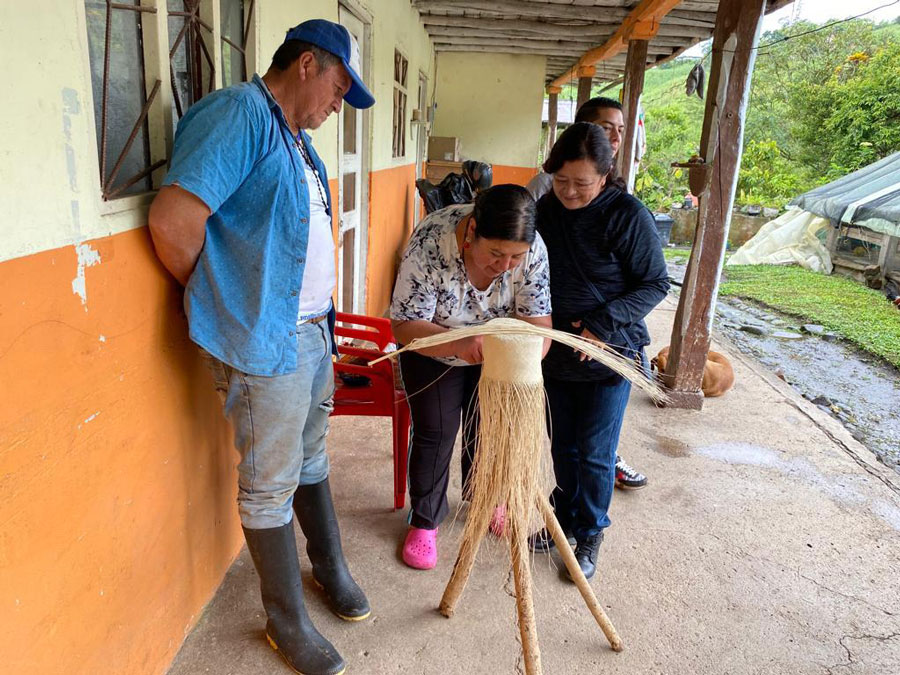
Methodological pathway for the construction of economic-productive alternatives with local and regional impact:
This is a methodology aimed at contributing to the development and strengthening of economic-productive initiatives that align with the defining characteristics of Comparte and are fully sustainable and scalable within their territories.
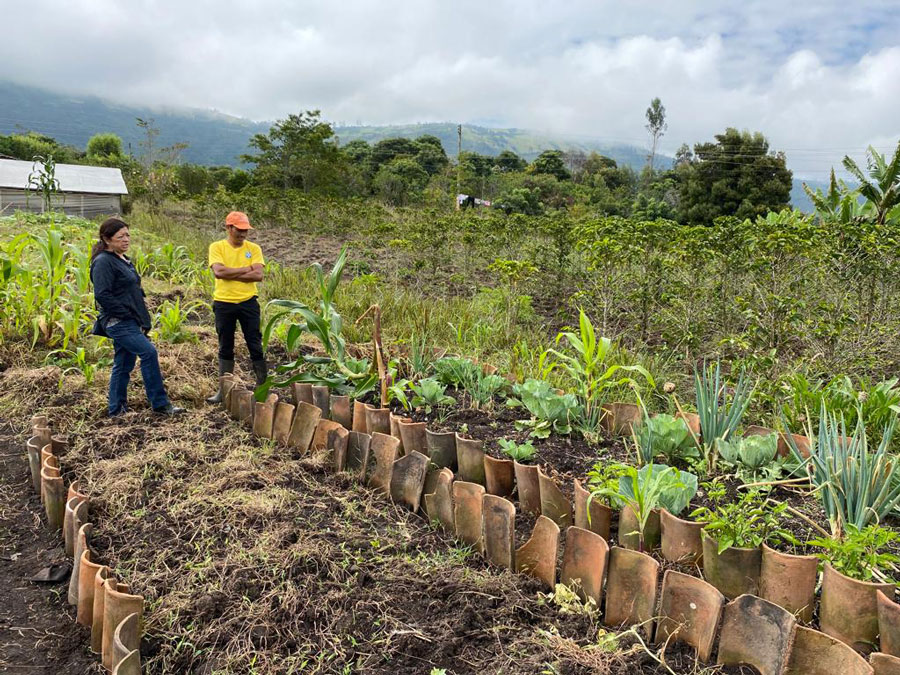
Capacity development as a strategy for change:
This methodology proposes a practical-conceptual pathway that we have called the “Comparte Capacity Development Map,” which guides us in identifying the capacities we can develop to generate the economic alternatives that we promote in Comparte.
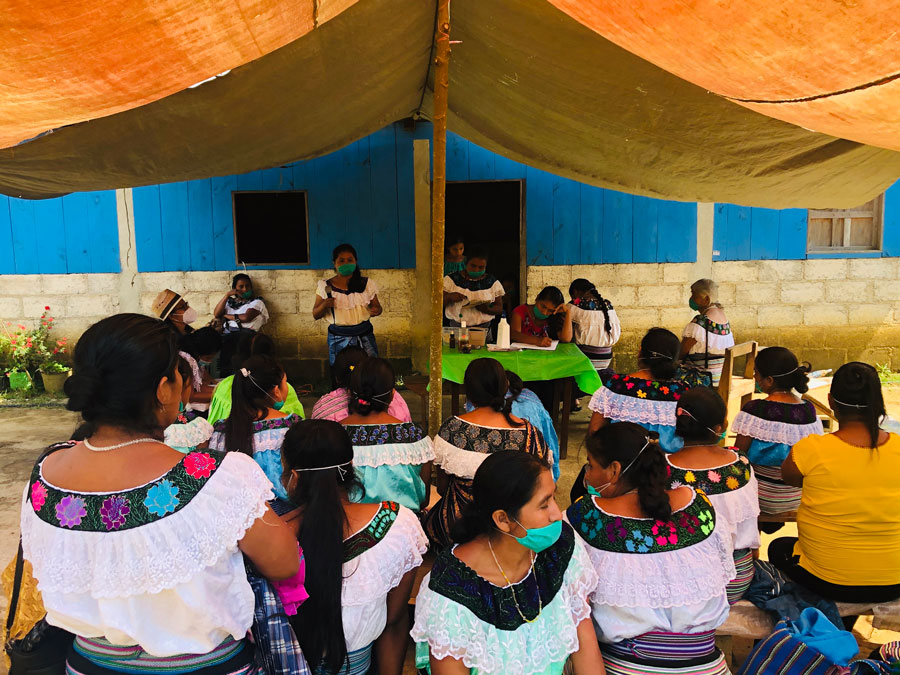
Socio-environmental audit system - SASA:
This tool measures the degree of implementation of the 7 traits of the economic alternatives supported by the social centres in the network. It includes nearly 86 indicators, and its completion is voluntary and annual. Once the information is submitted, the network generates reports at the initiative level to facilitate accountability and analysis, helping identify improvement plans. Among other things, it allows us to identify areas for improvement in the development of these traits and demonstrate their level of deployment.
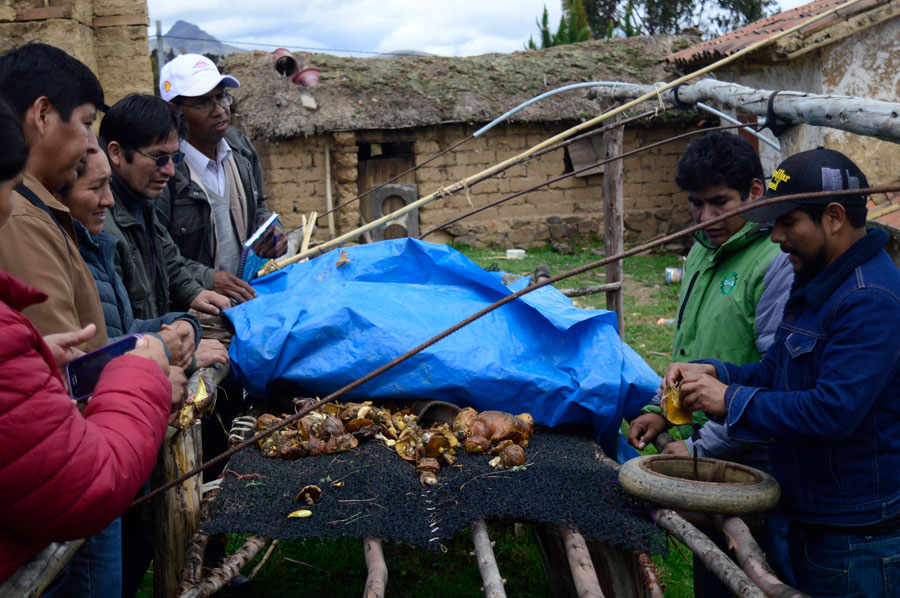
Participatory Guarantee System - SPG:
This is a methodology to create a system that enables the visibility and promotion of sustainable production, commercialisation, and responsible consumption of products and services generated by the economic-productive initiatives that are part of it.
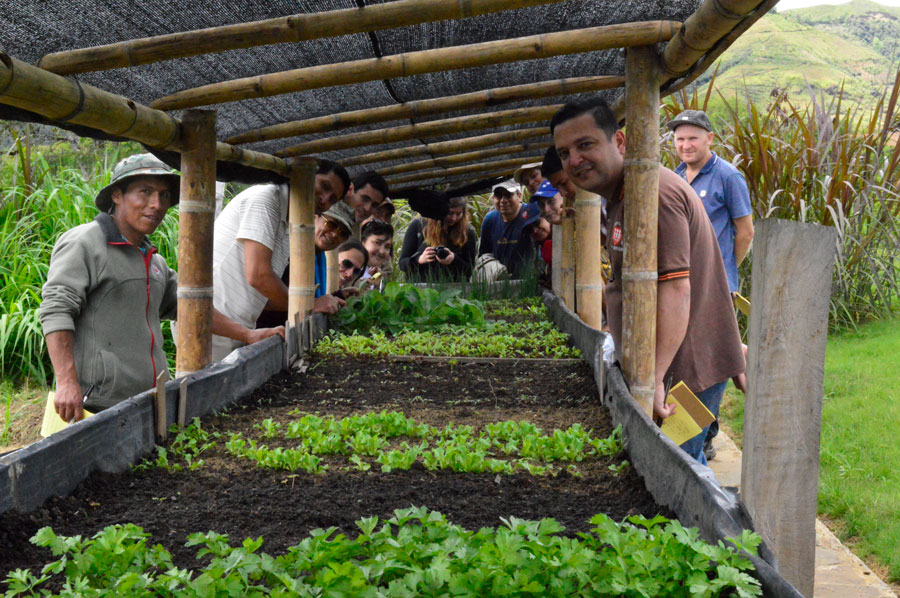
Solidarity Economic Circuits - CES:
This methodology seeks to create spaces for articulating the practices and actors of the Social and Solidarity Economy. The CES aims to cover aspects such as healthy production, solidarity finance, fair trade, responsible consumption, post-consumption, community tourism, ancestral health… and they come together to meet fundamental human needs and build a society based on a culture of peace, or Buen Vivir.
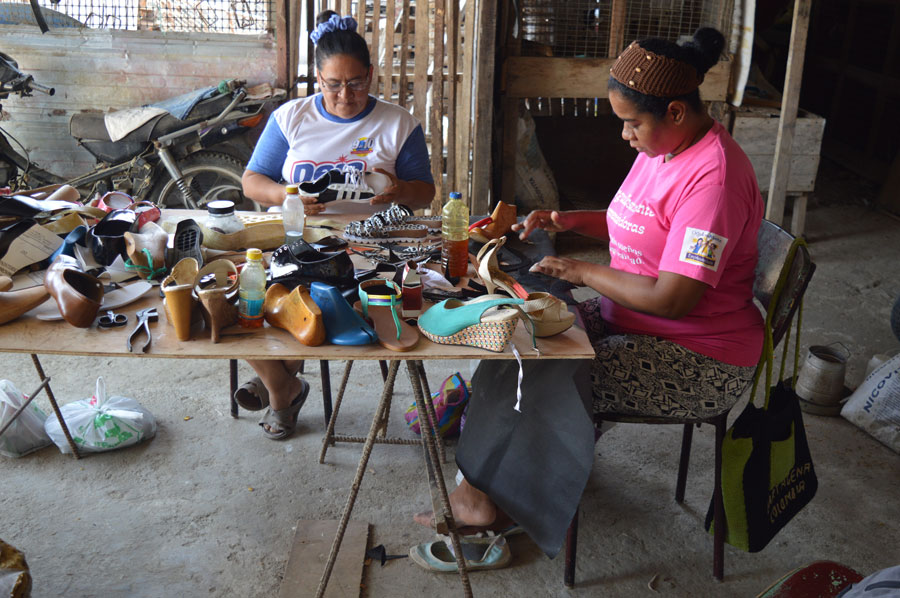
Organisational Gender Self-Diagnosis:
This tool facilitates processes of review and analysis from a gender equity perspective within an organisation, specifically oriented towards organisations in the alternative economic and productive sphere. Its aim is to create participatory spaces for reflection within the organisation, enabling its members to identify how inequalities arise and propose ways to eliminate them.
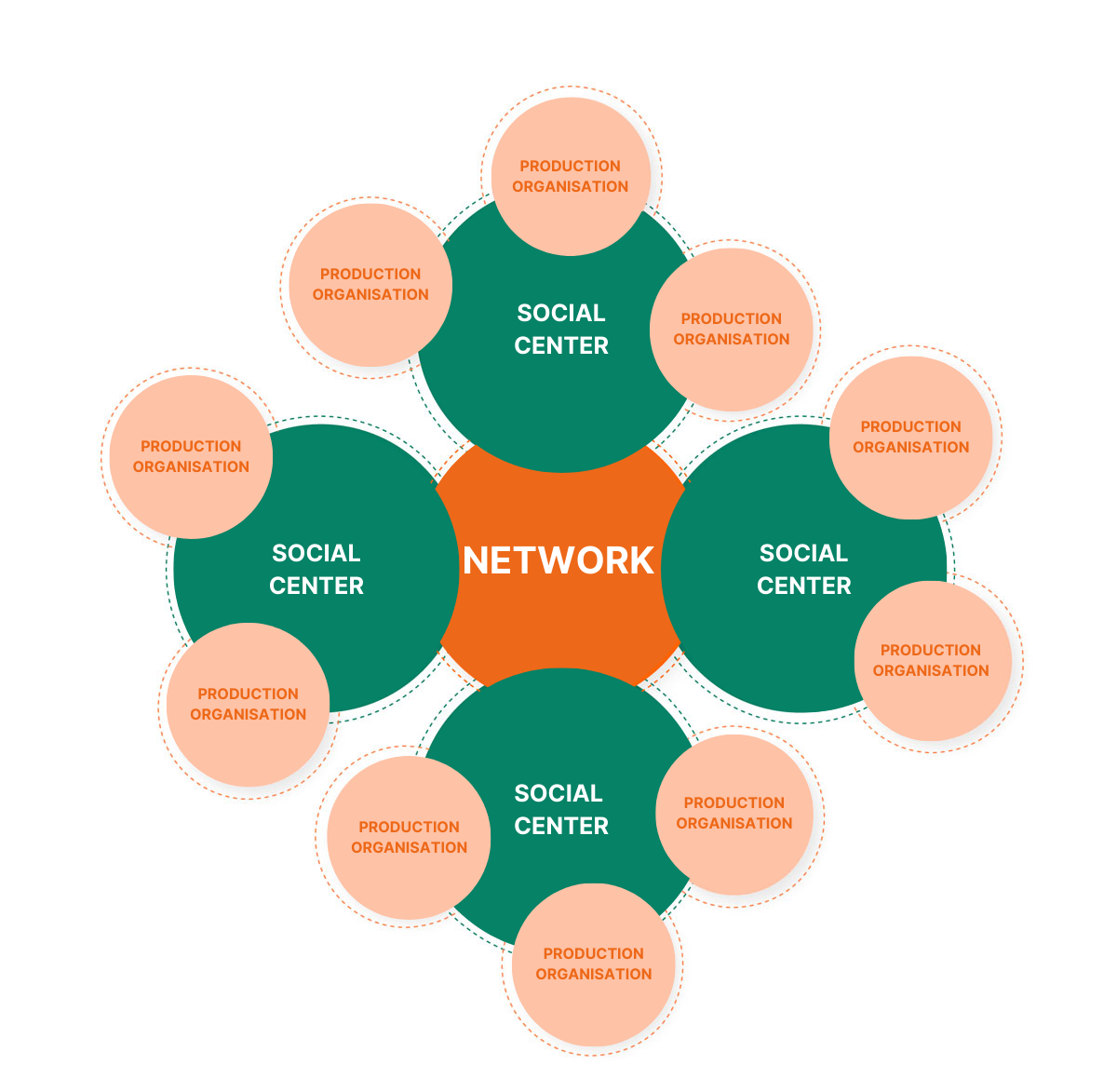
We carry out our work across the 3 levels that make up Comparte:
Network level:
This is the level that connects the social centres of Comparte and drives the actions that bring the network to life and enable its existence (for example, assemblies, training sessions, spaces for reflection and collective construction, exchanges between organisations in the network, etc.).
Social centre level:
These are the social organisations of Comparte, with legal personality, that support producer organisations in developing their economic-productive initiatives. The collective work done at the network level gains meaning when it is applied in a practical, context-specific way at each social centre (for example, the application of Comparte’s methodologies and tools in the economic initiatives that the social centres are supporting in their territories).
Producer organisation level:
This refers to any organised group, supported by a Comparte Social Centre, that develops an economic-productive initiative in one or more phases of the complete economic cycle. These groups may have legal personality (such as cooperatives, social enterprises, etc.) or not (such as associations of producer families, organised groups, etc.).
As a third-level organisation, we focus our work primarily on the network level and the member social centres, seeking to ensure that actions at both levels lead to improvements in the producer organisations and their economic-productive initiatives. With our understanding of the real-world context, we firmly believe in the transformative power that alternative economic-productive initiatives offer to excluded people and communities.